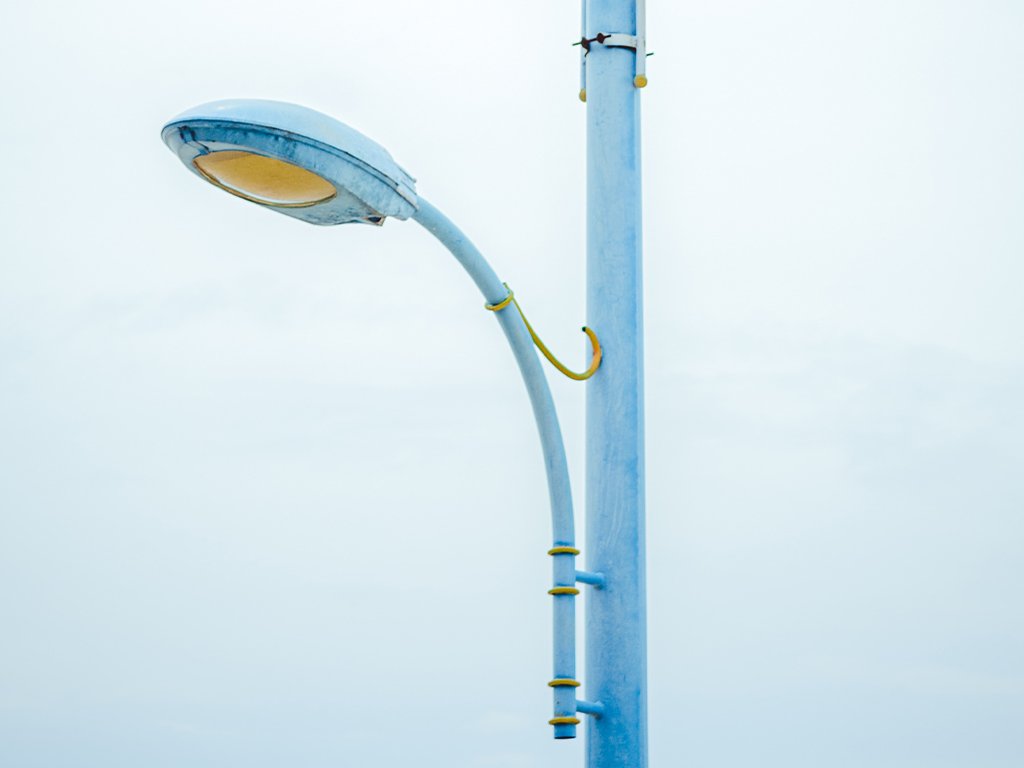
Installation guidelines for street lights: ensuring efficient and safe illumination.
1
Site assessment
Survey the site to find the best locations, considering road layout, pedestrian pathways and the lighting needs of the area.
2
Regulatory compliance
Comply with local regulations, codes and standards for street light installations and get the necessary permits first.
3
Design and planning
Prepare a design plan for the type, wattage and placement of lights, with energy efficiency, light distribution and environmental impact in mind.
4
Foundation preparation
Excavate to the design specification, pour level concrete foundations that meet load requirements, and allow enough curing time before installing poles.
5
Pole assembly
Assemble poles per the manufacturer’s guidelines with all components fastened, and check that poles are plumb and level.
6
Electrical wiring
Use certified electricians. Run wiring inside the poles with proper insulation and weather protection, and connect to a reliable supply as per electrical codes.
7
Fixture installation
Attach fixtures securely to the luminaire arms with proper alignment, choosing fixtures that improve visibility and limit light pollution.
8
Timer and controls
Where applicable, install timers and controls for automated operation and better energy efficiency, programmed to local rules and community needs.
9
Testing and adjustment
Test every street light and adjust fixtures for uniform illumination and minimum glare.
10
Documentation
Keep detailed records of the installation, design plans, electrical connections and adjustments.
11
Safety measures
Put safety first, follow industry standards, use proper equipment and mark the site with warning signs for pedestrians and motorists.
12
Community communication
Share the schedule and any disruptions with the local community and provide contact details for concerns.